
the latest from our team and what we’re up to
Our News
Featured

An Annual Review is a statutory process that ensures every EHCP is reviewed yearly. The annual review should consider the young person's progress towards the outcomes in their EHCP, whether their needs have changed, whether the provision is still appropriate and what they need going forward. It should also provide an opportunity for the young person and their family to have their voices heard.
At Autism Champions, we approach every young person and every family from a place of curiosity. We work on the assumption that everyone is doing the best they can with the resources, understanding and support they currently have. When things are difficult, we don't start by asking, "What's wrong?" Instead, we ask, "What's happened here, and what might this young person need?"
Some of my work involves providing one-to-one autism support in schools. This is about getting to know each young person as an individual, understanding what helps them feel safe, comfortable and able to engage, and working with school staff to create environments where they can thrive. I am passionate about helping schools better understand autism and make meaningful adjustments that support wellbeing and inclusion.
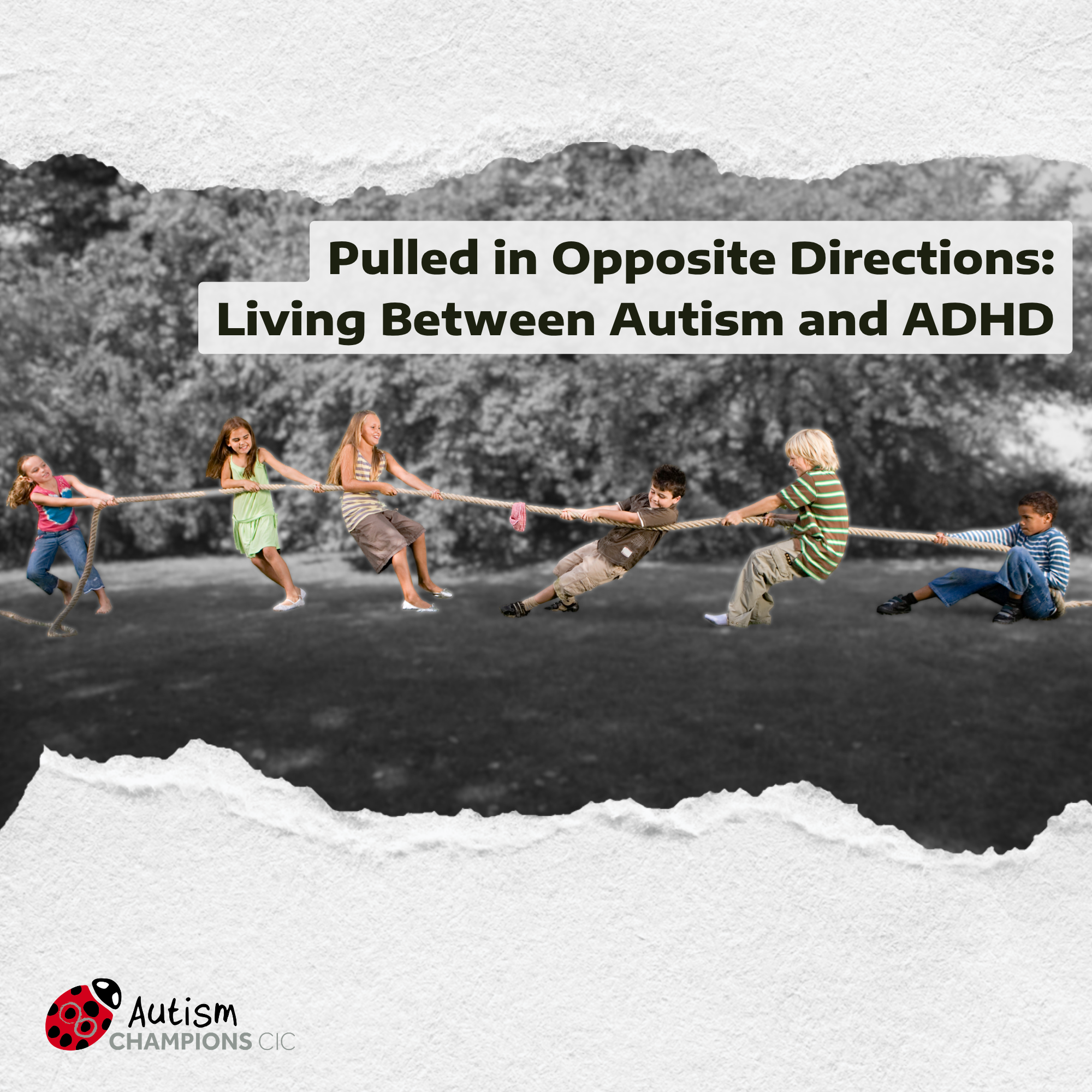
Being autistic and having ADHD is like living at the intersection of structure and chaos. My autistic side craves routine, predictability, and quiet. It wants the world to slow down, make sense, stay still. But my ADHD side? It craves movement, novelty, stimulation. It gets bored easily, distracted constantly, and restless in silence.
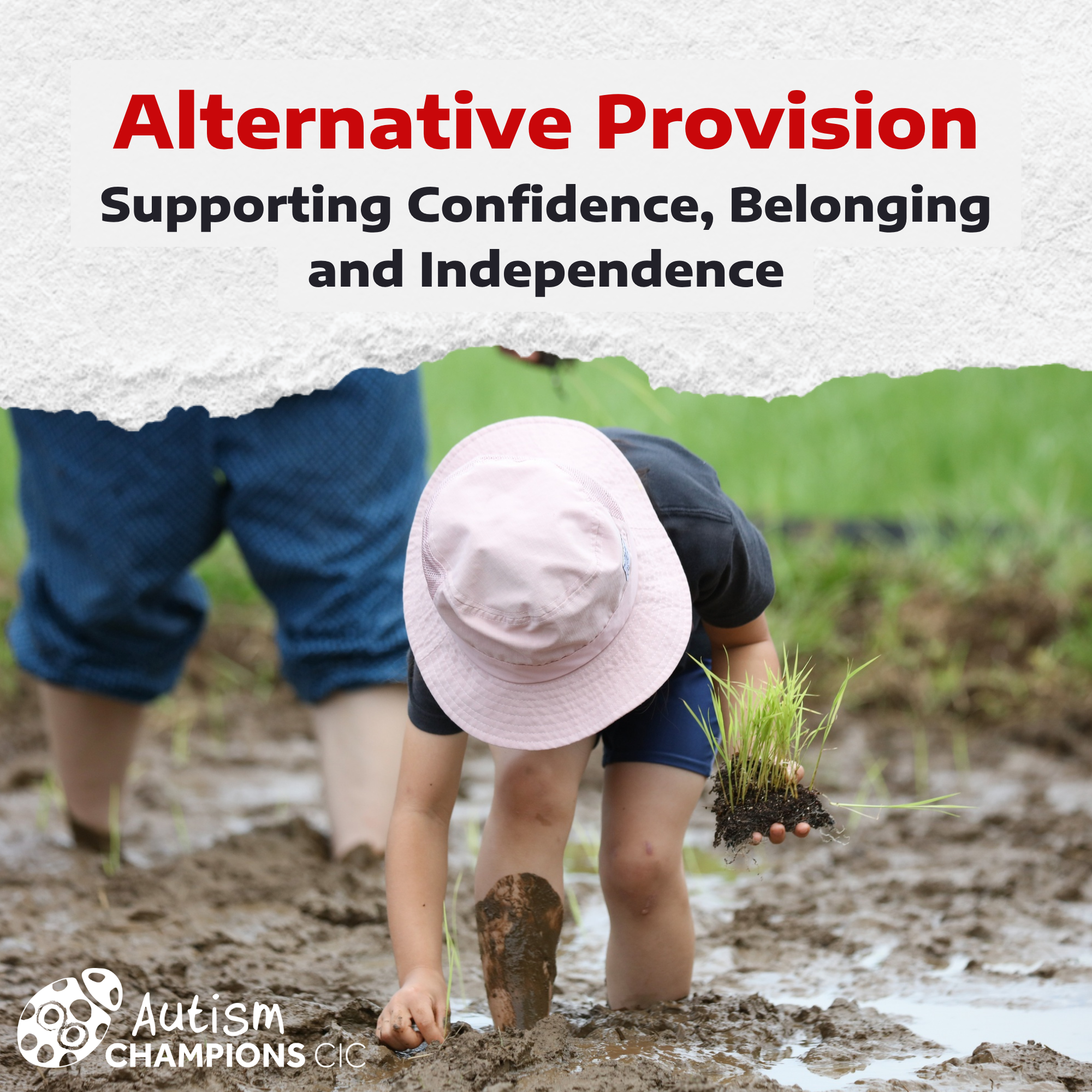
For many autistic young people and those with additional needs, traditional educational environments can sometimes become overwhelming or inaccessible. When this happens, Alternative Provision (AP) can offer a vital opportunity to rebuild confidence, restore trust in learning, and create meaningful re-engagement with education.
Understanding autism can feel like a massive undertaking. Ultimately, we want to help you understand your child and how being autistic impacts their life.
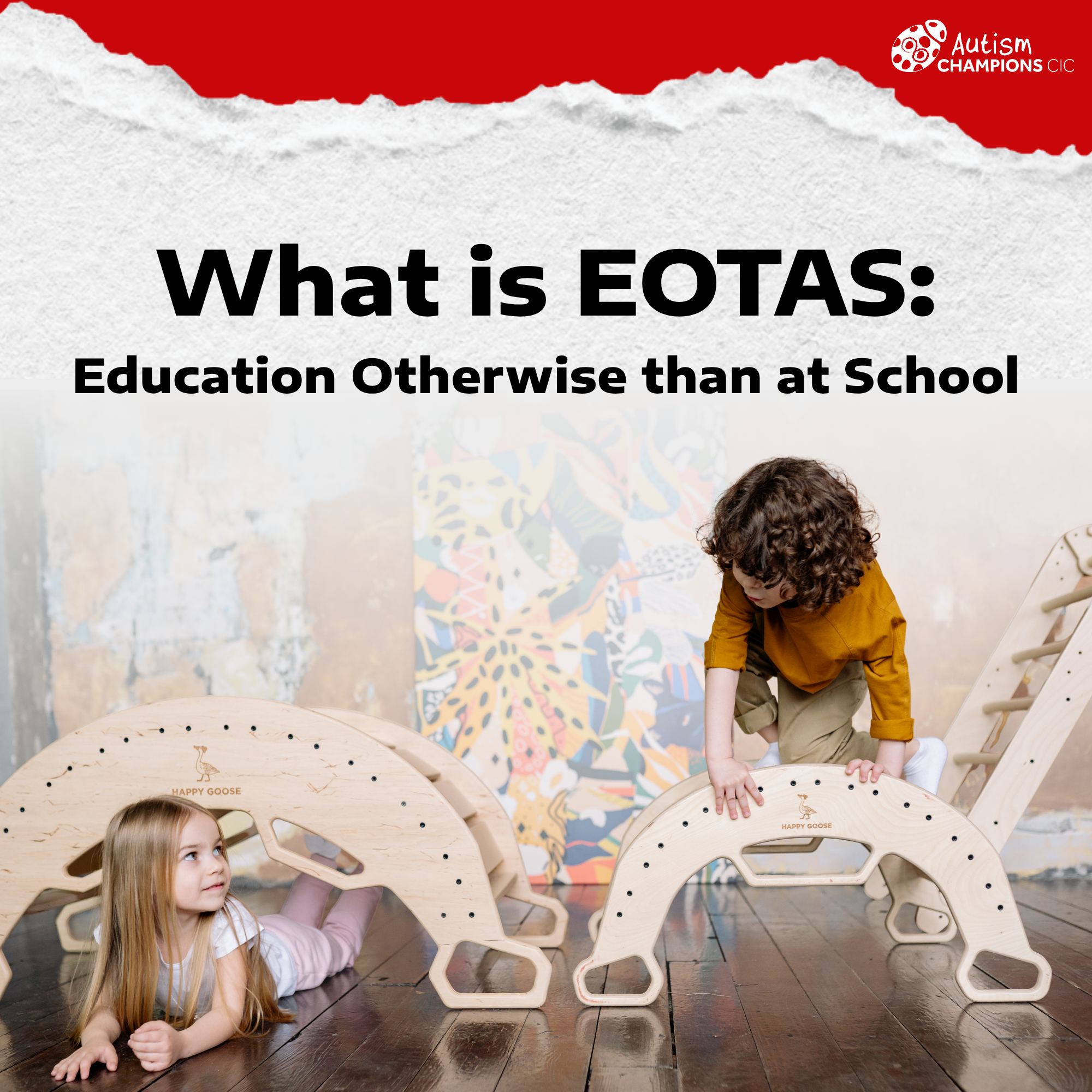
If I had to explain my EOTAS work in one sentence, I’d say I help families whose children can’t currently cope with school to find a way back into education that actually works for them.
Johanna Ford, Consultant
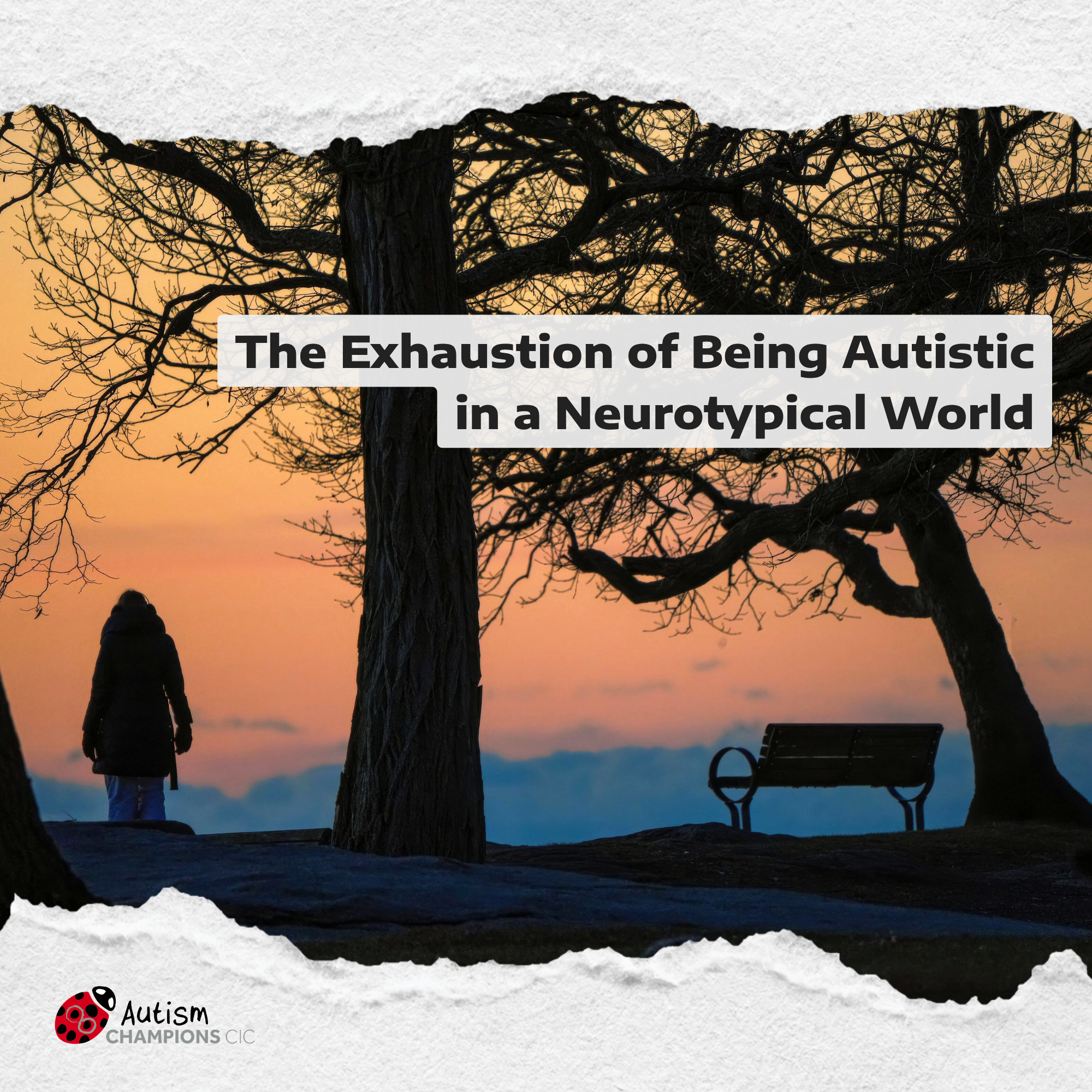
People often think of autism in terms of traits—difficulty with social interaction, sensory sensitivities, routines. What they don’t always see is the deep, quiet exhaustion that comes from constantly having to perform in a world that wasn’t built with me in mind.
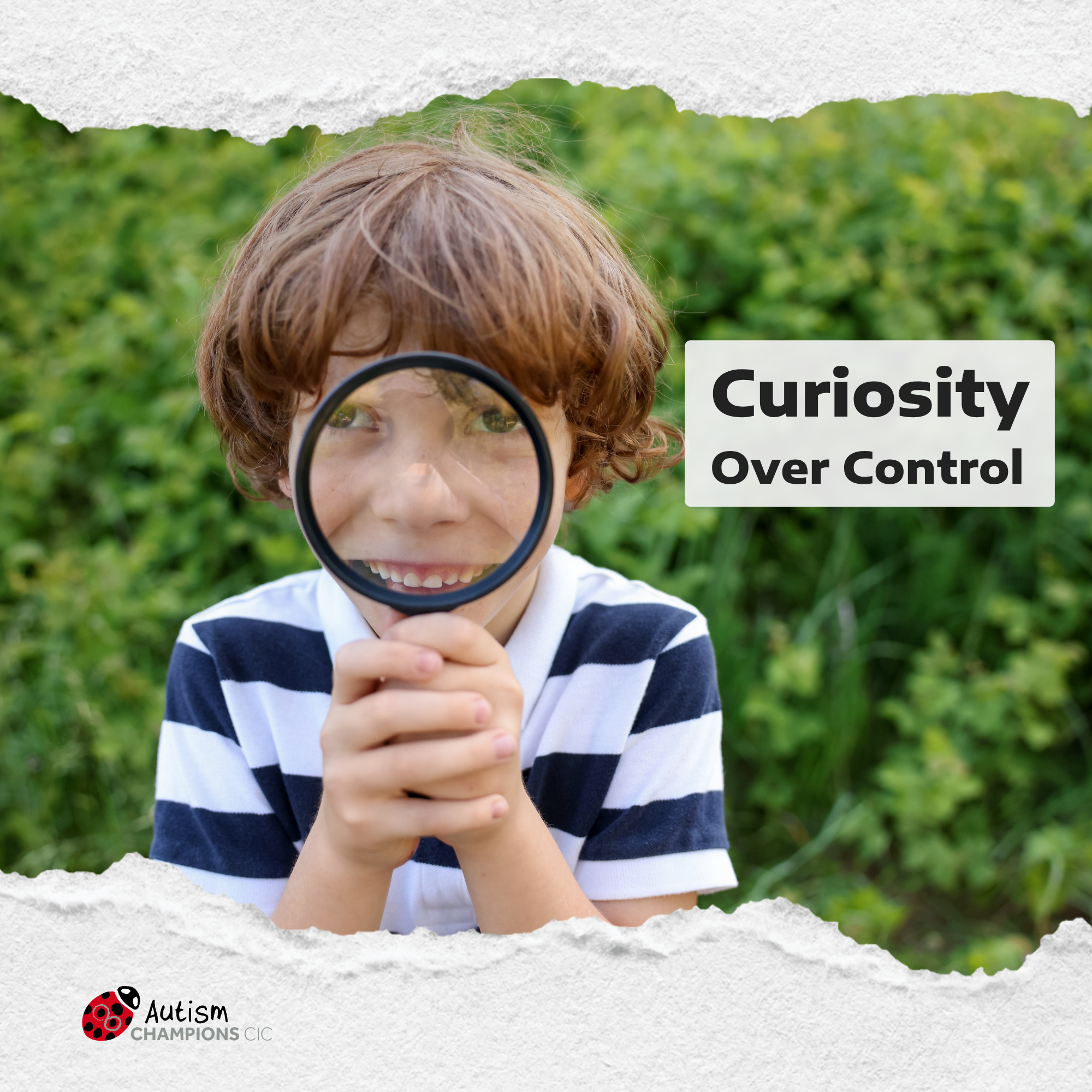
If I had to name the most powerful tool we have when working with children and young people—especially those who are autistic or otherwise neurodivergent—it wouldn’t be a strategy, a diagnosis, or a set of rules.
It would be curiosity.