
Curiosity Over Control
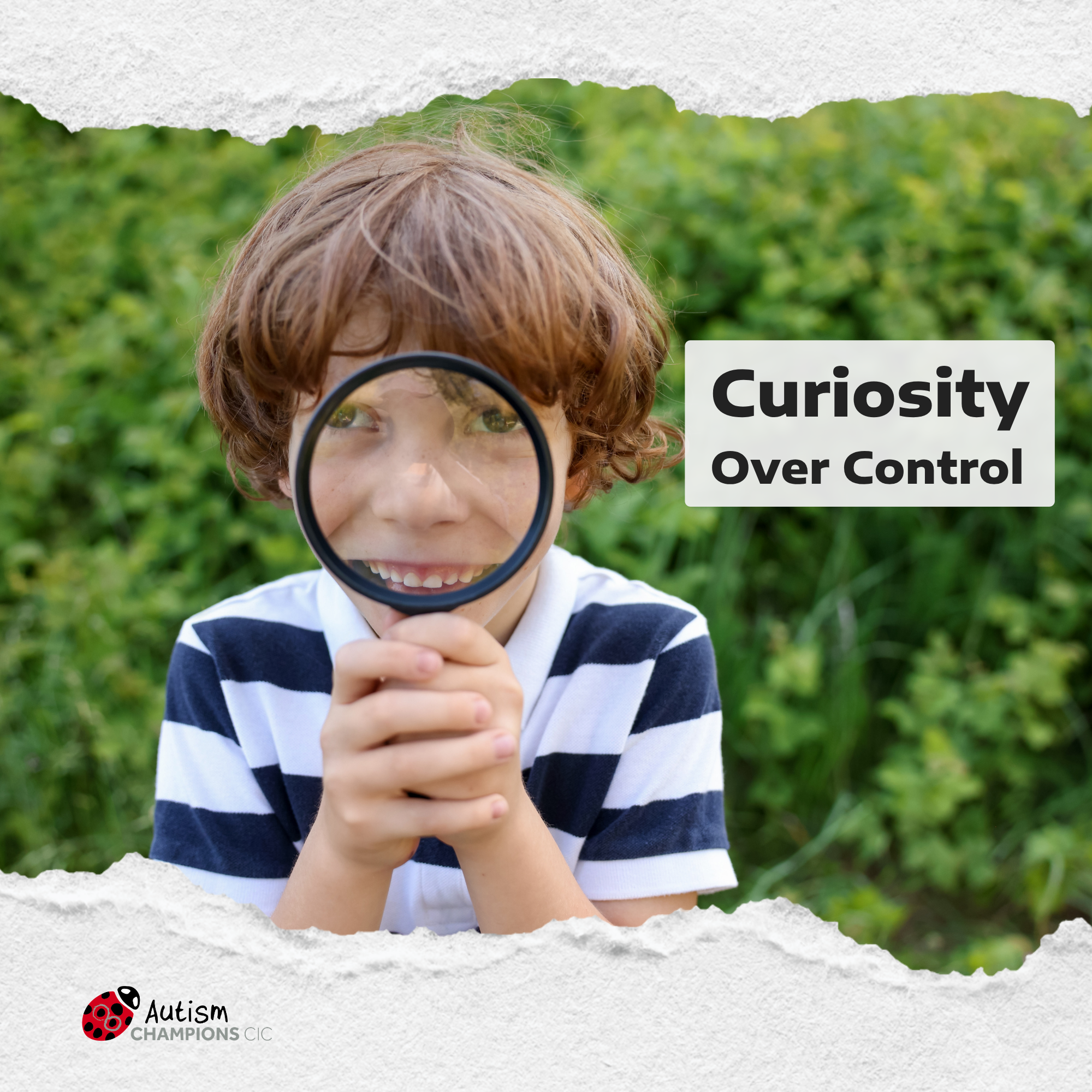
Curiosity is what lets us pause before reacting.
The Power of Curiosity
If I had to name the most powerful tool we have when working with children and young people—especially those who are autistic or otherwise neurodivergent—it wouldn’t be a strategy, a diagnosis, or a set of rules.
It would be curiosity.
Curiosity is what lets us pause before reacting. It’s what makes space for the possibility that behavior is communication, that what looks like defiance might be overwhelm, that silence might be safety, not avoidance. Curiosity keeps us from jumping to conclusions and lets us ask, What’s happening here? instead of, What’s wrong with you?
Meeting Autism with Curiosity
It’s especially vital when working with neurodivergent kids and their families—people who have too often been misread, misunderstood, or told their experiences are invalid. Curiosity says, I’m listening. I’m open. I believe you.
When we lead with curiosity, we shift from trying to “fix” to trying to understand. We move from power-over to partnership. We remember that every child is the expert on themselves in ways no textbook or training can teach us. Every parent or caregiver has insights shaped by love, not just survival.
Curiosity isn’t soft. It’s radical. It disrupts systems that demand compliance. It resists the urge to control, label, or reduce. It builds trust where there’s been fear.
Ask questions. Stay open. Assume you don’t know the full story—because you probably don’t. And let that be the starting point, not the obstacle.